
what are benefits of skilled nursing home care?
skilled nursing home care is a specialized form of long-term medical and personal support designed for individuals who need continuous health supervision and assistance with daily living.
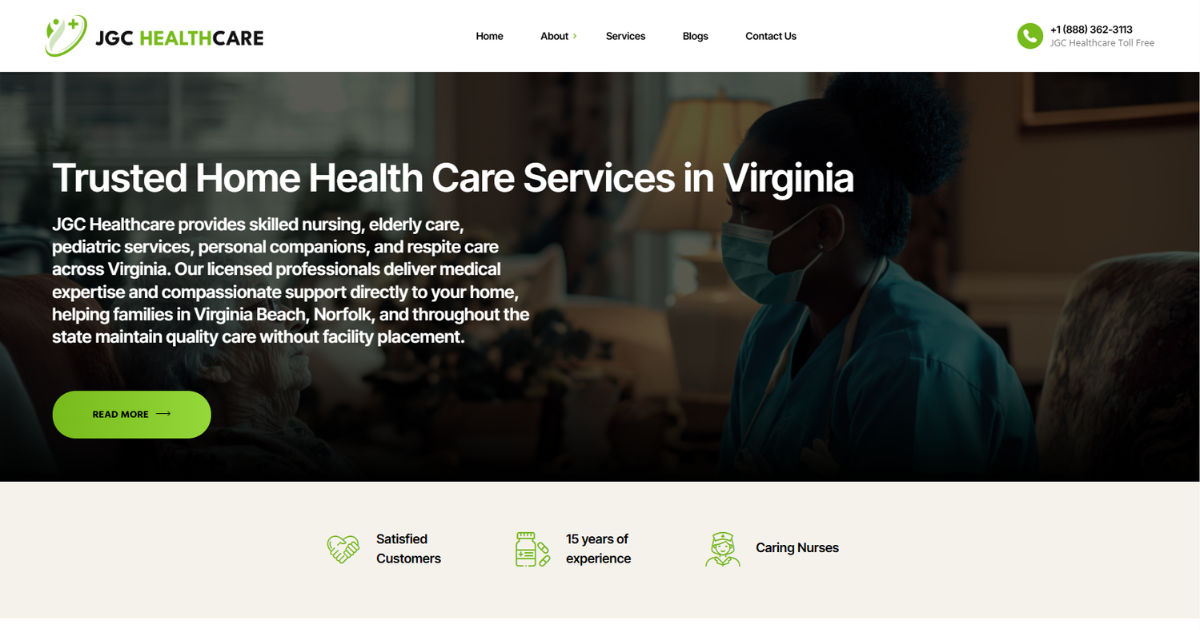 In today’s aging society, skilled nursing home care has become an essential service for seniors, patients recovering from serious illnesses, and people with chronic medical conditions.
In this guide, we will explore the major benefits, services, and real-life value of skilled nursing home care. You will also learn how it improves quality of life, supports families, and ensures medical safety for patients who cannot fully care for themselves at home.
Understanding Skilled Nursing Home Care
What It Means
skilled nursing home care refers to professional medical care provided in a licensed facility by trained nurses, therapists, and healthcare staff. Unlike basic caregiving, it includes clinical services such as wound care, rehabilitation, medication management, and chronic disease monitoring.
Who Needs It
People who often require skilled nursing home care include:
- Elderly individuals with limited mobility
- Patients recovering from surgery or stroke
- People with chronic illnesses like diabetes or heart disease
- Individuals needing long-term medical supervision
Core Services Offered
A typical skilled nursing home care facility provides:
- 24/7 nursing supervision
- Physical, occupational, and speech therapy
- Medication administration
- Nutritional planning and meal support
- Personal hygiene assistance
Medical Benefits of Skilled Nursing Home Care
24/7 Medical Supervision
One of the most important advantages of skilled nursing home care is constant medical monitoring. Trained nurses are always available to handle emergencies, monitor vital signs, and respond quickly to health changes.
This continuous care reduces hospital readmissions and prevents complications.
Professional Health Management
Patients receiving skilled nursing home care benefit from expert medical oversight. Doctors and nurses work together to manage chronic diseases and adjust treatment plans as needed.
This includes:
- Blood pressure monitoring
- Diabetes management
- Post-surgical care
- Pain control strategies
Medication Safety
Medication errors are a common risk for elderly individuals. skilled nursing home care ensures:
- Correct dosage administration
- Timely medication schedules
- Monitoring for side effects
- Prevention of drug interactions
Recovery and Rehabilitation Benefits
Faster Recovery After Illness or Surgery
Patients often recover faster in skilled nursing home care environments because they receive structured rehabilitation and medical attention every day.
Therapists help patients regain strength and independence through guided exercises.
Physical Therapy Support
Physical therapy is a key part of skilled nursing home care. It helps patients:
- Improve mobility
- Reduce pain
- Rebuild muscle strength
- Prevent falls
Occupational Therapy
Occupational therapy in skilled nursing home care helps individuals relearn daily tasks such as:
- Dressing
- Eating
- Bathing
- Writing or using tools
This support helps restore independence gradually.
Emotional and Psychological Benefits
Reduced Stress for Patients
Living in a safe environment reduces anxiety for patients receiving skilled nursing home care. They no longer worry about managing complex health conditions alone.
Mental Health Support
Many facilities include counseling and emotional support services. skilled nursing home care teams help residents cope with:
- Depression
- Loneliness
- Cognitive decline
- Emotional trauma after illness
Social Interaction Opportunities
Patients in skilled nursing home care can participate in group activities, games, and social events. This reduces isolation and improves mental well-being.
Benefits for Families
Reduced Caregiver Stress
Families often struggle with the emotional and physical burden of caring for sick loved ones. skilled nursing home care provides relief by ensuring professional support is always available.
Peace of Mind
Knowing a loved one is safe in skilled nursing home care gives families confidence that medical needs are being properly managed.
Better Family Relationships
When families are not overwhelmed by caregiving responsibilities, they can focus more on emotional bonding rather than medical tasks.
Safety and Security Advantages
Fall Prevention and Injury Control
Elderly patients are at high risk of falls. skilled nursing home care facilities are designed with:
- Handrails
- Non-slip floors
- Emergency call systems
This significantly reduces injury risks.
Infection Control
Professional hygiene protocols in skilled nursing home care help prevent infections through:
- Sanitized environments
- Regular health screenings
- Controlled medication practices
Emergency Response Systems
In case of emergencies, skilled nursing home care staff can respond immediately, reducing the risk of serious complications.
Nutritional and Daily Living Support
Balanced Meal Planning
Proper nutrition is essential for healing and health. skilled nursing home care includes customized meal plans based on medical needs.
Assistance with Daily Activities
Residents receive help with:
- Bathing
- Dressing
- Grooming
- Eating
This ensures dignity and comfort in daily life within skilled nursing home care.
Specialized Care for Chronic Conditions
Diabetes Management
Patients with diabetes receive careful monitoring of blood sugar levels in skilled nursing home care.
Heart Disease Care
Heart patients benefit from:
- Regular monitoring
- Medication adjustments
- Lifestyle management support
Dementia and Alzheimer’s Care
skilled nursing home care also includes memory care programs that help patients with cognitive decline stay safe and engaged.
Long-Term Health Improvement
Stability in Health Conditions
Continuous monitoring in skilled nursing home care helps maintain stable health conditions and prevents sudden complications.
Preventing Hospital Visits
Early detection of health issues reduces the need for emergency hospital visits, making skilled nursing home care a cost-effective solution.
Improved Quality of Life
Patients often experience a better overall quality of life due to structured routines and professional support in skilled nursing home care.
Emotional Comfort and Human Connection
Compassionate Care
Caregivers in skilled nursing home care are trained not only in medical skills but also in empathy and communication.
Building Relationships
Over time, patients form meaningful relationships with caregivers and fellow residents, making skilled nursing home care feel like a supportive community.
Cost and Value Benefits
Reduced Long-Term Healthcare Costs
While some may think skilled nursing home care is expensive, it often reduces long-term costs by preventing hospital stays and complications.
Comprehensive Services in One Place
Instead of paying separately for nurses, therapists, and medical visits, skilled nursing home care provides everything in one facility.
How Skilled Nursing Home Care Improves Independence
Encouraging Self-Reliance
Even though patients receive help, skilled nursing home care encourages them to perform tasks they are capable of doing.
Gradual Recovery of Independence
Therapies in skilled nursing home care are designed to slowly rebuild independence, improving confidence and mobility.
Technology in Skilled Nursing Home Care
Modern Monitoring Systems
Many facilities use advanced technology in skilled nursing home care, including:
- Electronic health records
- Remote monitoring devices
- Automated medication systems
Improved Communication
Technology allows better communication between doctors, nurses, and families involved in skilled nursing home care.
Ethical and Quality Standards
Licensed Medical Staff
All skilled nursing home care facilities employ certified professionals trained in elderly and medical care.
Regulatory Compliance
Strict government regulations ensure safety and quality in skilled nursing home care environments.
Choosing the Right Skilled Nursing Home Care Facility
Factors to Consider
When selecting skilled nursing home care, consider:
- Staff qualifications
- Cleanliness and safety
- Available medical services
- Patient reviews
- Location and accessibility
Visiting the Facility
A personal visit helps families understand the quality of skilled nursing home care before making a decision.
Common Misconceptions About Skilled Nursing Home Care
“It Is Only for the Very Sick”
In reality, skilled nursing home care is also for rehabilitation and short-term recovery.
“It Means Loss of Independence”
Many patients in skilled nursing home care actually regain independence through therapy and support.
Future of Skilled Nursing Home Care
Growing Demand
As populations age, the need for skilled nursing home care continues to grow worldwide.
Improved Medical Innovations
Future skilled nursing home care facilities will include more advanced technology and personalized treatment options.
Conclusion
skilled nursing home care plays a vital role in modern healthcare by providing medical support, emotional care, and rehabilitation services for individuals who need continuous assistance. It improves patient safety, reduces family stress, and enhances overall quality of life.
From medical supervision to emotional support and rehabilitation, skilled nursing home care offers a complete care system that benefits both patients and families. It ensures dignity, comfort, and professional attention at every stage of recovery or long-term care.
As healthcare continues to evolve, skilled nursing home care will remain an essential solution for aging populations and individuals with complex medical needs.
 In this guide, we will explore how Steel building construction works from planning to completion and why it has become such a popular choice for residential, commercial, and industrial projects.