
why do flyers use Addlestone Airport Taxi?
When people travel by air, one of the biggest concerns is how to get to and from the airport smoothly. This is where Addlestone Airport Taxi services become extremely useful.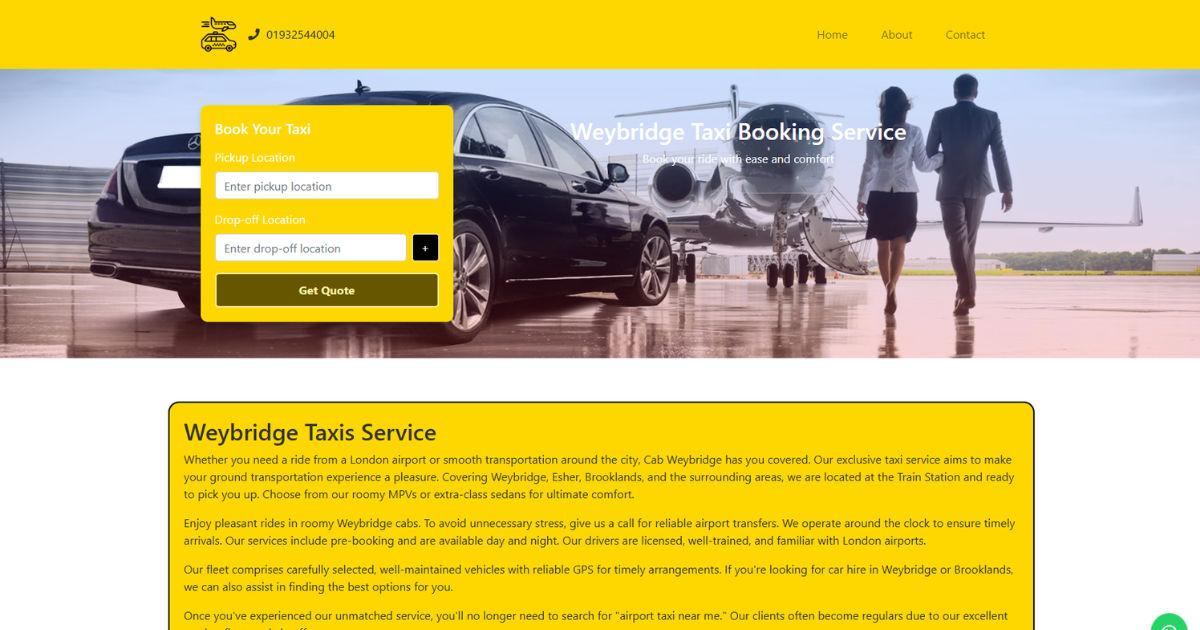
Many flyers prefer Addlestone Airport Taxi because it offers comfort, reliability, and stress-free travel at any time of the day. Whether someone is traveling for business or leisure, Addlestone Airport Taxi helps make the journey easier right from their doorstep.
In today’s fast-moving world, passengers want transport that saves time and reduces hassle. That is exactly why Addlestone Airport Taxi has become a popular choice for airport transfers.
This guide explains in detail why so many flyers depend on Addlestone Airport Taxi, how it works, and what benefits it offers.
Addlestone Airport Taxi Services
Addlestone Airport Taxi is a dedicated transport service designed specifically for airport travel. Unlike regular taxis, Addlestone Airport Taxi focuses on punctual airport pickups and drop-offs. Flyers use Addlestone Airport Taxi because it is built around flight schedules and passenger convenience.
The main purpose of Addlestone Airport Taxi is to provide door-to-door service, meaning passengers are picked up from their home and dropped directly at the airport terminal. This eliminates confusion, delays, and multiple transport changes.
Many travelers also prefer Addlestone Airport Taxi because it operates 24/7, making it ideal for early morning or late-night flights.
Why Flyers Prefer Addlestone Airport Taxi
One of the biggest reasons flyers choose Addlestone Airport Taxi is convenience. Instead of worrying about parking or public transport delays, passengers can simply book Addlestone Airport Taxi and relax.
Another reason is reliability. Flights have strict timings, and missing a flight can be expensive. That’s why people trust Addlestone Airport Taxi to get them to the airport on time.
Additionally, Addlestone Airport Taxi provides professional drivers who understand airport routes, traffic patterns, and the fastest ways to reach terminals. This ensures a smooth travel experience every time.
Convenience of Addlestone Airport Taxi
Convenience is the biggest advantage of Addlestone Airport Taxi. Passengers don’t need to carry luggage through bus stations or train platforms. Instead, Addlestone Airport Taxi picks them up directly from their home.
Families especially prefer Addlestone Airport Taxi because it reduces stress when traveling with children or elderly passengers. The service is designed to make travel easy and comfortable for everyone.
With Addlestone Airport Taxi, passengers can also schedule rides in advance, ensuring complete peace of mind before the journey begins.
Time-Saving Benefits of Addlestone Airport Taxi
Time is very important for travelers, and Addlestone Airport Taxi helps save a lot of it. Unlike buses or trains, Addlestone Airport Taxi takes the fastest route directly to the airport.
Flyers using Addlestone Airport Taxi do not need to wait for public transport schedules or deal with delays. The driver arrives at the exact time and takes the most efficient route.
Business travelers especially rely on Addlestone Airport Taxi because it helps them manage tight schedules without stress.
Airport Transfers Made Easy
Many passengers use Addlestone Airport Taxi for transfers to major airports like Heathrow, Gatwick, and others nearby. Addlestone Airport Taxi ensures smooth transportation regardless of distance.
The service is designed for long-distance comfort, meaning Addlestone Airport Taxi vehicles are clean, spacious, and suitable for airport journeys.
Whether it’s an early morning flight or a late-night arrival, Addlestone Airport Taxi ensures smooth airport transfers without complications.
Easy Booking Process
Booking Addlestone Airport Taxi is simple and quick. Most services allow phone bookings, websites, or mobile apps. This makes Addlestone Airport Taxi very accessible for all types of travelers.
Passengers can pre-book Addlestone Airport Taxi days in advance or even request urgent pickups when needed. This flexibility is one reason why Addlestone Airport Taxi is so popular.
Confirmation messages and driver details are usually provided, making Addlestone Airport Taxi bookings transparent and reliable.
Safety and Reliability
Safety is a top priority for travelers, and Addlestone Airport Taxi ensures high safety standards. Drivers are trained, licensed, and experienced in handling airport routes.
Passengers trust Addlestone Airport Taxi because vehicles are regularly maintained and checked for safety. This reduces the risk of breakdowns or delays.
Reliability is another strong point. Addlestone Airport Taxi is known for punctuality, ensuring passengers reach the airport on time without stress.
Affordable Pricing Structure
Many people think airport taxis are expensive, but Addlestone Airport Taxi offers competitive pricing. The fares are usually fixed, so passengers know the cost in advance.
This transparency makes Addlestone Airport Taxi a preferred choice compared to unpredictable taxi meters.
For groups or families, Addlestone Airport Taxi is often more economical than multiple train or bus tickets.
Professional Drivers and Service Quality
Drivers play a major role in the experience of Addlestone Airport Taxi. They are trained to provide polite, professional, and helpful service.
Passengers using Addlestone Airport Taxi often appreciate how drivers assist with luggage and ensure a smooth ride.
The professionalism of Addlestone Airport Taxi drivers also ensures passengers feel safe and comfortable throughout the journey.
Comfort During the Journey
Comfort is another reason why people choose Addlestone Airport Taxi. Vehicles are designed for long and short trips, offering comfortable seating and enough space for luggage.
Unlike crowded buses or trains, Addlestone Airport Taxi provides a private travel experience.
This comfort makes Addlestone Airport Taxi especially popular among families, elderly travelers, and business professionals.
Luggage Handling Support
Travelers often carry heavy luggage, and Addlestone Airport Taxi makes this easier. Drivers help load and unload bags safely.
This support is especially helpful for international travelers using Addlestone Airport Taxi for long trips.
With Addlestone Airport Taxi, passengers don’t need to worry about managing multiple suitcases in public transport.
Flight Tracking Advantage
Modern Addlestone Airport Taxi services often include flight tracking. This means drivers adjust pickup times based on flight delays or early arrivals.
Passengers using Addlestone Airport Taxi don’t need to constantly update their driver because the system does it automatically.
This feature makes Addlestone Airport Taxi highly efficient and reliable for airport transfers.
24/7 Availability
Flights operate at all hours, and so does Addlestone Airport Taxi. The service is available 24/7, making it suitable for any travel schedule.
Late-night arrivals and early morning departures are no problem with Addlestone Airport Taxi.
This constant availability ensures passengers always have dependable transport when they need it.
Why Business Travelers Prefer Addlestone Airport Taxi
Business travelers often choose Addlestone Airport Taxi because it offers punctual and stress-free travel.
With Addlestone Airport Taxi, professionals can focus on work instead of worrying about transport delays.
The quiet and comfortable environment of Addlestone Airport Taxi also allows business travelers to prepare for meetings during the ride.
Benefits for Families and Groups
Families find Addlestone Airport Taxi extremely useful for airport travel. It provides enough space for children, luggage, and comfortable seating.
Group travelers also prefer Addlestone Airport Taxi because it allows everyone to travel together in one vehicle.
This makes Addlestone Airport Taxi both cost-effective and convenient for group travel.
Addlestone Airport Taxi vs Public Transport
Compared to buses and trains, Addlestone Airport Taxi offers a direct and hassle-free experience.
Public transport often involves delays, multiple stops, and limited luggage space. In contrast, Addlestone Airport Taxi provides direct airport access.
This makes Addlestone Airport Taxi a much more efficient choice for time-sensitive travel.
Tips for Booking Addlestone Airport Taxi
To get the best experience with Addlestone Airport Taxi, passengers should book early, especially during peak travel seasons.
Always confirm pickup time when using Addlestone Airport Taxi to avoid confusion.
It is also recommended to provide flight details so Addlestone Airport Taxi can adjust timing if needed.
Common Mistakes to Avoid
One common mistake travelers make is booking Addlestone Airport Taxi at the last minute.
Another mistake is not sharing correct flight details with Addlestone Airport Taxi, which can lead to timing issues.
Planning ahead ensures a smooth experience with Addlestone Airport Taxi every time.
The Future of Airport Taxi Services
The future of Addlestone Airport Taxi looks promising with technology integration and improved booking systems.
More advanced features like real-time tracking and digital payments are making Addlestone Airport Taxi even more convenient.
As travel continues to grow, Addlestone Airport Taxi will remain an essential part of airport transportation.
Conclusion
In conclusion, Addlestone Airport Taxi has become a trusted choice for flyers because of its reliability, comfort, and efficiency. Whether it is business travel, family vacations, or solo trips, Addlestone Airport Taxi ensures stress-free airport transportation.
The service stands out due to its punctuality, professional drivers, and door-to-door convenience. Many travelers prefer Addlestone Airport Taxi over public transport because it saves time and reduces travel stress.
With increasing demand for smooth airport transfers, Addlestone Airport Taxi continues to grow in popularity. It provides a complete travel solution for modern passengers who value comfort and efficiency.
Ultimately, Addlestone Airport Taxi is more than just transportation—it is a reliable travel partner for every flyer.
 When menu pricing is set correctly through a restaurant POS, it directly affects customer satisfaction, business revenue, and operational efficiency. Many restaurant owners underestimate how deeply a restaurant POS influences pricing decisions, but in reality, it plays a central role in how food businesses survive and grow.