
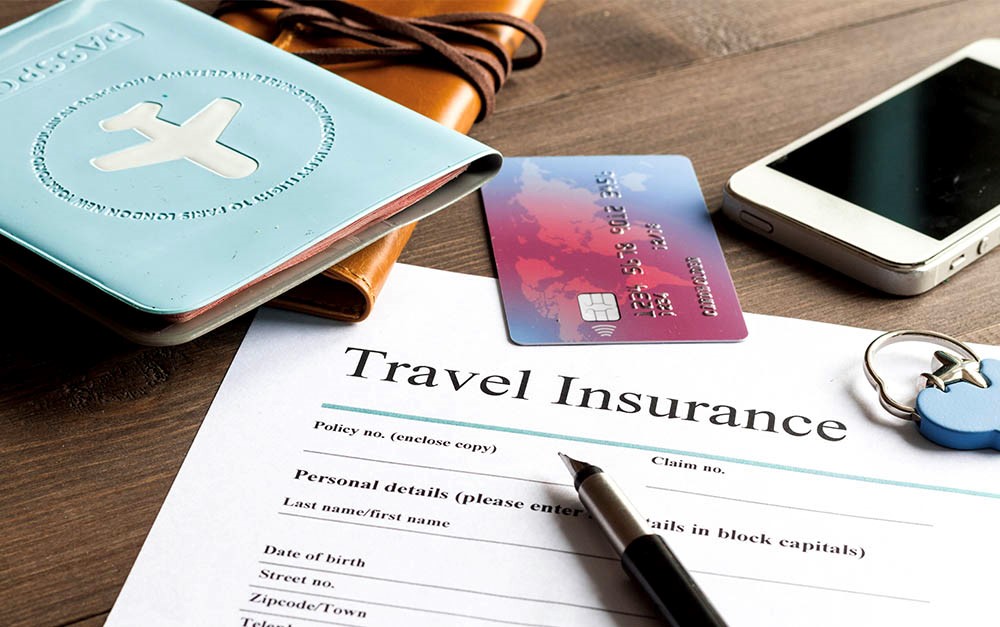
Traveling opens the door to new experiences, unforgettable destinations, and exciting adventures, but unexpected problems can happen at any moment. Flight delays, lost baggage, sudden illnesses, and emergency cancellations can quickly turn a dream trip into a stressful situation. This is why many travelers rely on a reliable travel insurance guide before booking a journey. Travel insurance is designed to provide financial protection and support when travel plans are interrupted by unforeseen events. Understanding the basics of travel insurance helps travelers make informed decisions about the type of protection that best fits their destination, budget, and travel style. Whether planning a short vacation, a business trip, or an extended international adventure, learning how travel insurance works can help reduce uncertainty and improve confidence while traveling.
One of the most important parts of any travel insurance guide is understanding coverage options. Travel insurance policies can include several forms of protection depending on the provider and plan selected. Common coverage areas include trip cancellation, trip interruption, baggage loss, emergency medical treatment, travel delays, and emergency evacuation services. Some policies reimburse prepaid nonrefundable travel expenses if a traveler must cancel due to illness, severe weather, or other covered reasons. Others provide compensation for delayed flights, missed connections, or lost luggage. Coverage limits, exclusions, waiting periods, and reimbursement conditions vary significantly between policies, which is why travelers should carefully compare policy details before purchasing. Reviewing the fine print can prevent misunderstandings during the claims process and help travelers know exactly what situations are covered.
Medical protection is another major reason travelers purchase travel insurance. Many domestic health insurance plans provide little or no protection outside a traveler’s home country. Medical emergencies abroad can become extremely expensive, especially when hospitalization, surgery, or emergency transportation is involved. A comprehensive trip cancellation insurance often explains how travel medical insurance can help cover doctor visits, emergency care, prescription medications, ambulance transportation, and hospital stays during a trip. Some plans also include emergency medical evacuation and repatriation services, which may transport travelers to the nearest suitable medical facility or back to their home country if necessary. Travelers participating in high-risk activities such as skiing, scuba diving, or mountain hiking should also verify whether adventure sports are included within their medical coverage, as some insurers exclude hazardous activities from standard policies.
Trip cancellation and interruption coverage are among the most commonly used travel insurance benefits. Unexpected situations such as illness, injury, family emergencies, natural disasters, or severe weather conditions may force travelers to cancel or shorten their plans. Without insurance, prepaid flights, hotel reservations, cruises, or tour packages could result in substantial financial losses. A strong travel insurance guide explains that cancellation benefits generally reimburse eligible prepaid expenses when a covered event prevents travel before departure. Interruption coverage may apply after the trip has already started and can help cover additional transportation expenses, unused bookings, or accommodation costs caused by disruptions. Some travelers also choose “cancel for any reason” upgrades, which provide greater flexibility but often come with additional costs and partial reimbursement limits.
Understanding the different policy types available is essential when selecting travel protection. Single-trip travel insurance is designed for one specific journey and usually lasts from departure until return. Annual or multi-trip travel insurance is often preferred by frequent travelers who take multiple trips throughout the year. Family travel insurance plans provide protection for parents and children traveling together under one policy, while group travel insurance may cover larger groups on shared itineraries. Cruise insurance includes specialized benefits related to missed ports, cabin confinement, or cruise interruptions. Seniors may require policies with higher medical coverage limits and additional health considerations. A complete travel insurance guide should help travelers evaluate these policy types based on travel frequency, destination risks, medical needs, and planned activities to ensure they choose the most suitable level of protection.
Another important factor travelers should understand is how claims and exclusions work. Insurance policies contain specific terms that determine when benefits apply and when claims may be denied. Common exclusions can include pre-existing medical conditions, risky activities, intoxication-related incidents, or cancellations caused by situations already known before purchasing coverage. Travelers should keep receipts, medical records, police reports, and airline documentation if an incident occurs during a trip, since proper documentation is often necessary to file successful claims. Many travel insurance guides recommend purchasing coverage soon after making the initial trip deposit because certain time-sensitive benefits may only apply within a limited purchase window. Comparing claim procedures, customer service quality, and insurer reputation can also help travelers choose providers that offer smoother support during emergencies.
Travel insurance continues to play an increasingly important role in modern travel planning because international trips often involve significant financial investments and unpredictable risks. A detailed travel insurance guide gives travelers the knowledge needed to understand coverage categories, medical benefits, cancellation protection, and the many policy types available in today’s market. Instead of viewing insurance as an unnecessary extra expense, many experienced travelers see it as a practical safety tool that helps manage unexpected situations while away from home. By carefully reviewing policy details, comparing coverage options, and selecting protection that matches their travel needs, travelers can reduce financial risk and focus more fully on enjoying their journey with greater peace of mind.