
When people receive lab reports, especially urine test reports, the results often look confusing at first. Terms like “protein,” “leukocytes,” or “specific gravity” may not be familiar, yet they carry important information about health.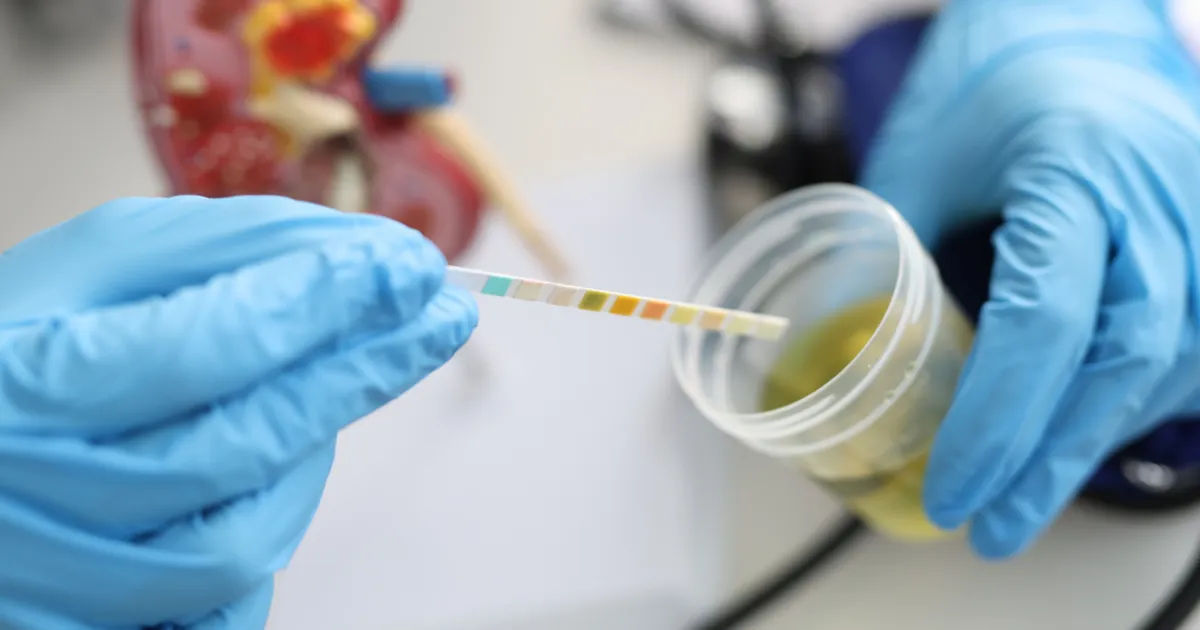
Understanding these results helps you make sense of what your body is telling you.In some online discussions, people also come across phrases like can you freeze urine for a drug test, but in medical settings, the focus is not on shortcuts or tricks—it is on understanding what the test reveals about kidney function, infections, hydration, and overall health.
This guide breaks everything down in a simple way so that even a 12th-grade student can understand urine test reports clearly.
A Urine Test
A urine test, also called urinalysis, is one of the most common medical tests. It examines urine to detect signs of illness or monitor health conditions.
Urine is produced by the kidneys, which filter waste and extra fluid from your blood. Because of this, urine carries a lot of information about what is happening inside your body.
A standard urine test usually checks:
- Physical appearance (color and clarity)
- Chemical composition
- Microscopic content
Each of these categories provides different insights into health.
Physical Examination of Urine
Color of Urine
Normal urine color ranges from pale yellow to deep amber. The color depends mainly on hydration levels.
- Light yellow: Normal hydration
- Dark yellow: Mild dehydration
- Amber or brown: Possible dehydration or liver issues
- Red or pink: May indicate blood in urine or food effects (like beetroot)
Clarity
Urine is usually clear. Cloudy urine may suggest:
- Infection
- Presence of crystals
- Excess white blood cells
Doctors use this simple observation as an early clue.
Chemical Examination of Urine
Chemical testing uses dipsticks that change color depending on the substances in urine.
pH Level
Urine pH shows how acidic or alkaline urine is.
- Normal range: 4.5 to 8
- Low pH (acidic): High protein diet, dehydration
- High pH (alkaline): Urinary tract infection or kidney conditions
Protein
Normally, urine contains very little or no protein. If protein is present, it may indicate:
- Kidney disease
- High blood pressure effects
- Temporary stress or fever
Glucose
Glucose (sugar) in urine is not normal. It may suggest:
- Diabetes
- Poor blood sugar control
Ketones
Ketones appear when the body burns fat instead of glucose for energy.
Common causes include:
- Starvation
- Low-carb diets
- Uncontrolled diabetes
Microscopic Examination of Urine
This part involves looking at urine under a microscope.
Red Blood Cells (RBCs)
Small amounts are not normal. They may indicate:
- Kidney stones
- Infection
- Injury in urinary tract
White Blood Cells (WBCs)
High WBC levels usually suggest infection or inflammation.
Bacteria
The presence of bacteria strongly suggests a urinary tract infection (UTI).
Crystals
Crystals may form due to diet, dehydration, or kidney stone risk.
What Urine Test Results Commonly Indicate
Urine test results are not diagnoses by themselves. Instead, they are clues that help doctors understand what might be happening.
Normal Results
Normal urine results typically show:
- No protein
- No glucose
- No bacteria
- Balanced pH
- Few or no cells
This usually means the kidneys and urinary system are functioning well.
Signs of Infection
A urinary tract infection is one of the most common findings. Signs include:
- High white blood cells
- Presence of bacteria
- Cloudy urine
Symptoms may include burning during urination or frequent urge to urinate.
Kidney Issues
Abnormal protein levels, blood cells, or casts may suggest kidney problems. Doctors often use urine tests along with blood tests to confirm this.
Diabetes Clues
Glucose and ketones in urine may point toward uncontrolled diabetes. This happens when blood sugar levels are too high for kidneys to reabsorb.
Factors That Affect Urine Test Results
Several factors can influence results, even without serious illness.
Diet
What you eat can change urine composition. For example:
- High protein diets may increase acidity
- Certain foods can change color
Hydration
Water intake affects concentration. Dehydration makes urine darker and more concentrated.
Medications
Some medicines may alter test results, including antibiotics and diuretics.
Physical Activity
Heavy exercise can sometimes cause temporary protein or blood in urine.
Why Urine Tests Are Important
Urine tests are widely used because they are:
- Simple and painless
- Fast and affordable
- Useful for early disease detection
Doctors use them for routine checkups, diagnosing infections, and monitoring chronic conditions like diabetes and kidney disease.
In some discussions online, unrelated topics like can you freeze urine for a drug test appear, but medical urine testing is focused entirely on accurate diagnosis and patient care, not manipulation or shortcuts.
Common Abnormal Findings Explained
Protein in Urine (Proteinuria)
This may indicate kidney damage. Sometimes it is temporary due to fever or exercise.
Blood in Urine (Hematuria)
Even small amounts should be checked. Causes include:
- Kidney stones
- Infections
- Trauma
Nitrites in Urine
Nitrites often indicate bacterial infection, especially UTIs.
Leukocyte Esterase
This enzyme suggests white blood cells are present, pointing toward infection.
How Doctors Interpret Results
Doctors do not rely on a single value. Instead, they look at the full picture:
- Symptoms
- Medical history
- Multiple test markers
- Sometimes imaging or blood tests
For example, protein alone may not be serious, but protein combined with high blood pressure could indicate kidney disease.
Preparing for a Urine Test
Preparation is usually simple:
- Drink normal amounts of water (not excessive)
- Avoid heavy exercise before testing
- Inform doctor about medications
- Use a clean midstream urine sample if instructed
Proper preparation helps ensure accurate results.
Misunderstandings About Urine Tests
Many people misunderstand what urine tests can and cannot do.
They Do Not Give Final Diagnoses
A urine test only provides clues. Doctors confirm conditions with further testing.
Normal Results Do Not Always Mean Perfect Health
Some conditions may not show up in urine tests early on.
Abnormal Results Are Not Always Serious
Temporary changes can occur due to diet, hydration, or exercise.
Why Accuracy Matters in Testing
Accurate urine testing is important because it helps detect conditions early. Early detection often leads to better treatment outcomes.
This is also why labs follow strict procedures. Any contamination or incorrect sample handling can affect results.
Even in online discussions where phrases like can you freeze urine for a drug test appear, real medical laboratories use controlled environments and standardized methods to ensure reliability and accuracy.
Real-Life Example of Interpretation
Imagine a patient with:
- High white blood cells
- Cloudy urine
- Burning sensation
This combination strongly suggests a urinary tract infection. The doctor may prescribe antibiotics.
Another patient with:
- Protein in urine
- Swelling in legs
- High blood pressure
This may suggest kidney disease, requiring further investigation.
Importance of Follow-Up Tests
Sometimes doctors repeat urine tests to confirm results. This helps rule out temporary causes like:
- Dehydration
- Exercise
- Minor infections
Follow-up ensures that diagnosis is accurate.
Lifestyle and Urine Health
Healthy habits can improve urinary system health:
- Drink enough water daily
- Maintain balanced diet
- Avoid excessive salt
- Exercise regularly
- Do not ignore symptoms like pain or burning
Conclusion
Urine test results may seem technical at first, but they are simply a reflection of how your body is functioning. By understanding key markers like protein, glucose, blood cells, and pH, you can better understand what doctors are looking for when they evaluate your health.
Urine tests play a major role in detecting infections, monitoring kidney health, and identifying early signs of diseases like diabetes. They are quick, reliable, and widely used in modern medicine.
While online phrases such as can you freeze urine for a drug test may appear in casual discussions, medical urine testing is strictly focused on accurate diagnosis and patient care. The real value of a urine test lies in its ability to provide early warning signs that help prevent more serious health issues.
Understanding your results empowers you to take better care of your health and ask informed questions during medical visits.