
When people experience buffering, freezing, or poor video quality while watching IPTV, they often blame the IPTV service. However, the router is one of the most important parts of the streaming experience. A weak or outdated router can directly affect IPTV performance by slowing internet speeds, creating connection problems, and reducing streaming stability.
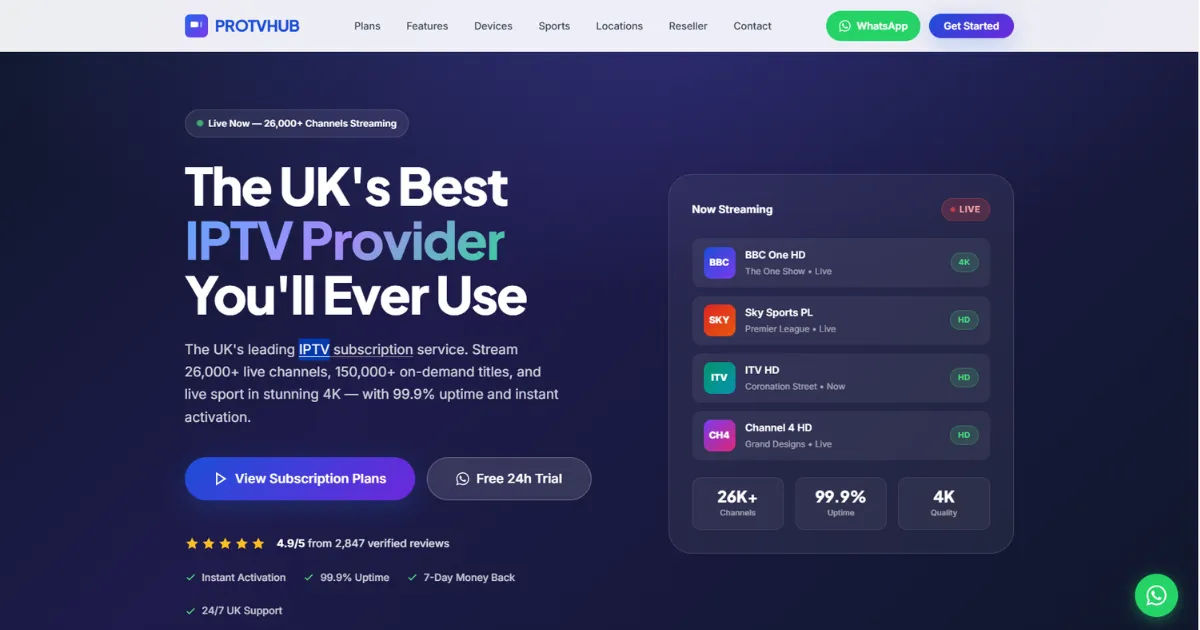
Services like Pro TV Hub depend on a strong network connection to provide smooth entertainment, but the router plays a major role in delivering that connection properly.Many users invest in fast internet packages but forget that their router also needs to support modern streaming demands. IPTV requires a stable and consistent connection because video content is transferred continuously over the internet.
If the router cannot handle the traffic, users may face interruptions even when their internet speed looks sufficient.Understanding how routers affect IPTV performance can help you improve your viewing experience and avoid unnecessary upgrades or service changes.
How Does a Router Work With IPTV?
A router acts as a bridge between your internet connection and your IPTV device. It receives data from your internet provider and distributes it to devices such as smart TVs, streaming boxes, computers, and mobile phones.
When you watch IPTV through Pro TV Hub, your router manages the data flow between the IPTV service and your screen. The quality of this connection depends on several factors, including router speed, wireless strength, device capacity, and network traffic.
A good router ensures that video data reaches your IPTV device quickly and consistently. A poor router may struggle to handle high-quality streams, especially when multiple devices are connected at the same time.
Why Router Quality Matters for IPTV Streaming
Affects Streaming Speed
Internet speed is not the only factor that determines IPTV quality. Your router must also be capable of transferring data efficiently.
For example, you may have a high-speed internet connection, but an older router may limit the actual speed available to your IPTV device. This can lead to slow loading times, reduced picture quality, and frequent buffering.
A modern router allows Pro TV Hub users to enjoy smoother playback because it can handle higher amounts of streaming data without unnecessary delays.
Controls Network Stability
IPTV requires a stable connection. Unlike simple web browsing, video streaming needs a continuous flow of data.
If your router frequently loses connection or creates unstable signals, your IPTV stream may pause or experience interruptions. A reliable router helps maintain a steady connection throughout your viewing session.
Manages Multiple Devices
Most homes have many connected devices, including phones, laptops, gaming consoles, and smart appliances.
When several devices use the internet simultaneously, your router has to divide available bandwidth between them. A basic router may become overloaded, causing IPTV performance issues.
Using Pro TV Hub with a powerful router can provide better results because the network can handle multiple connections more efficiently.
Signs Your Router Is Causing IPTV Problems
Frequent Buffering
Buffering is one of the most common signs of network problems. If your IPTV pauses regularly even though your internet package is fast, your router may be the reason.
A router with limited processing power may not deliver streaming data quickly enough, especially for HD or 4K content.
Poor Video Quality
When the router cannot provide enough stable bandwidth, your IPTV service may automatically reduce video quality.
You may notice blurry images, slow transitions, or lower resolution. Improving your router can help maintain better picture quality.
Connection Drops
A router that disconnects frequently can interrupt your IPTV viewing experience. These interruptions may happen because of outdated hardware, overheating, or weak wireless performance.
Slow Response Times
If menus take too long to load or channels switch slowly, the router may not be transferring information efficiently.
A stronger network setup helps Pro TV Hub users experience faster navigation and smoother streaming.
What Router Features Are Important for IPTV?
Dual-Band Wi-Fi Support
Modern routers often support both 2.4 GHz and 5 GHz frequency bands.
The 2.4 GHz band provides longer range but usually has more interference. The 5 GHz band offers faster speeds and is often better for IPTV streaming when the device is nearby.
Using a dual-band router can improve performance and reduce connection problems.
Higher Wi-Fi Standards
Older routers may use outdated wireless technology. Newer standards provide faster speeds, better coverage, and improved performance.
A modern router allows IPTV platforms like Pro TV Hub to deliver content more reliably.
Quality of Service (QoS)
QoS is a router feature that allows users to prioritize certain types of internet traffic.
With QoS settings, you can give IPTV streaming higher priority than activities like downloads or background updates.
This helps ensure that your IPTV connection receives enough bandwidth.
Strong Processing Power
A router is a small computer that manages network traffic. Better processors allow routers to handle more devices and higher data demands.
For homes with multiple users, a powerful router can make a noticeable difference.
Wired Connection vs Wireless Connection for IPTV
A wired Ethernet connection is usually the most reliable option for IPTV streaming.
When you connect your IPTV device directly to the router using an Ethernet cable, you reduce interference and improve stability.
Wireless connections are convenient, but walls, distance, and other devices can weaken the signal. If possible, Pro TV Hub users should consider using a wired connection for smart TVs or streaming boxes.
However, a strong modern Wi-Fi router can still provide excellent performance when a wired connection is not practical.
How Internet Speed and Router Performance Work Together
Many people think buying a faster internet package will solve all IPTV problems. While internet speed is important, the router must also support that speed.
For example, a fast internet plan connected to an outdated router may not provide the expected performance.
A balanced setup includes:
-
A reliable internet provider
-
A modern router
-
Proper network settings
-
A suitable IPTV device
When all parts work together, Pro TV Hub streaming becomes smoother and more enjoyable.
Can Router Location Affect IPTV Quality?
Yes, router placement can significantly affect performance.
A router hidden behind furniture, placed inside cabinets, or located far from your IPTV device may provide a weaker signal.
For better results:
-
Place the router in an open area
-
Keep it away from electronic interference
-
Position antennas correctly if available
-
Keep it near frequently used devices
A simple location change can sometimes improve IPTV performance without purchasing new equipment.
How to Improve Router Performance for IPTV
Restart Your Router Regularly
Routers can experience temporary issues after running continuously for long periods.
Restarting the router can clear minor problems and refresh the connection.
Update Router Firmware
Manufacturers release updates that improve security, stability, and performance.
Keeping your router updated helps maintain better IPTV streaming quality.
Reduce Unnecessary Connections
Disconnect devices that are not being used. Too many connected devices can consume bandwidth and reduce IPTV performance.
Use Ethernet When Possible
For the best streaming experience, connect your IPTV device directly to the router whenever possible.
This reduces wireless interference and creates a more stable connection.
Does an Expensive Router Guarantee Better IPTV?
A higher price does not always mean better IPTV performance.
The best router depends on your home size, internet speed, number of devices, and streaming requirements.
A mid-range modern router may perform better than an expensive router with features you do not need.
The goal is to choose a router that can handle your network demands effectively.
Common Router Mistakes That Affect IPTV
Using an Old Router
Many users continue using routers provided years ago by internet companies.
Older models may not support current streaming requirements and can create unnecessary performance problems.
Ignoring Router Settings
Default router settings may not provide the best performance.
Adjusting settings such as wireless channels, security options, and QoS can improve streaming reliability.
Placing the Router Too Far Away
Distance reduces wireless strength. If your IPTV device is far from the router, you may experience slower speeds and interruptions.
How to Choose the Right Router for IPTV
When selecting a router, consider:
-
Your internet speed
-
Number of connected devices
-
Size of your home
-
Need for wired connections
-
Support for modern Wi-Fi standards
A router designed for high-speed streaming will provide better results for IPTV services.
Pro TV Hub users who want reliable entertainment should focus on creating a complete network environment rather than only choosing a fast internet package.
Router Settings Recommended for IPTV
Some useful settings include:
-
Enable QoS if available
-
Choose the less crowded Wi-Fi channel
-
Use the 5 GHz band when possible
-
Keep firmware updated
-
Secure your network with a strong password
These adjustments can improve connection quality and reduce interruptions.
Conclusion
Your router can have a major impact on IPTV performance. Even with a fast internet connection, a weak or outdated router can create buffering, slow loading, and unstable streaming problems.
A quality router improves data management, strengthens wireless connections, and helps your IPTV device receive information smoothly. For services like Pro TV Hub, having a reliable network setup is essential for enjoying high-quality entertainment without interruptions.
Choosing the right router, placing it correctly, updating its software, and managing connected devices can greatly improve your IPTV experience.
The router is not just a simple internet device. It is a key part of your streaming system. By understanding its role and making smart improvements, you can enjoy smoother playback, better video quality, and a more reliable IPTV experience.