
If you have ever searched for scrap my car, you may have wondered what actually qualifies a vehicle as an end of life vehicle. Many people assume that only badly damaged or completely broken cars fall into this category, but that is not always true.
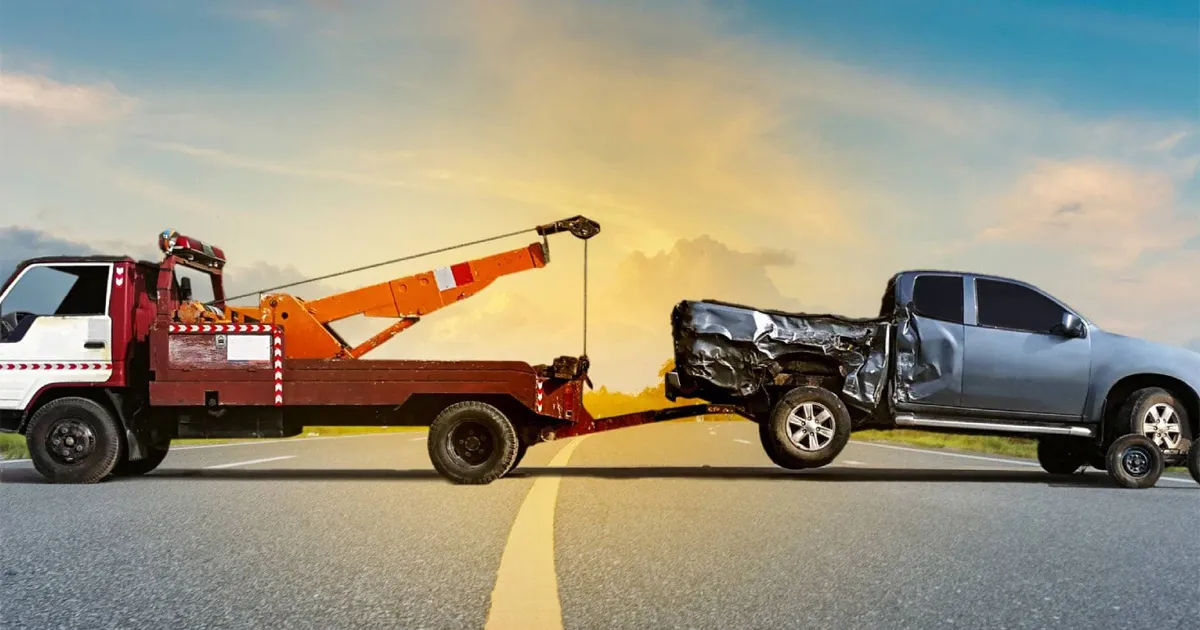
A vehicle reaches the end of its life when it is no longer practical, safe, or economical to keep on the road. Instead of allowing it to sit unused or become an environmental hazard, responsible recycling ensures valuable materials are recovered while harmful substances are disposed of safely.
Understanding what an end-of-life vehicle (ELV) is can help you make informed decisions about selling, recycling, or deciding when to scrap my car. Whether your vehicle has been damaged in an accident, failed expensive repairs, or simply reached the end of its useful life, knowing the proper disposal process benefits both you and the environment.
In this comprehensive guide, you'll learn what an end of life vehicle is, how it is identified, why recycling matters, what happens during the recycling process, and why choosing a professional recycling service is the smartest option.
An End of Life Vehicle
An end of life vehicle (ELV) is a car, van, SUV, or truck that has reached the point where it is no longer suitable for regular use. It may still contain valuable parts and recyclable materials, but repairing or maintaining it is no longer financially worthwhile.
A vehicle may become an ELV because of:
- Severe accident damage
- Mechanical failure
- Engine or transmission problems
- High repair costs
- Rust and corrosion
- Flood or fire damage
- Old age
- Failed safety inspections
The decision often comes down to economics. When repair costs exceed the vehicle's value, owners usually decide that recycling is the better choice.
Signs That Your Vehicle Has Reached the End of Its Life
Not every old vehicle is considered an ELV. Some older cars remain reliable for years with proper maintenance. However, several warning signs indicate that your vehicle may have reached the end of its usable life.
Repairs Cost More Than the Car Is Worth
One of the biggest indicators is repair costs.
If your car is only worth $2,000 but requires $4,000 worth of repairs, investing in repairs rarely makes financial sense.
Serious Structural Damage
Major frame damage from accidents often affects vehicle safety.
Even after repairs, structural integrity may never return to factory standards.
Frequent Mechanical Problems
If your car constantly needs repairs, including:
- Engine issues
- Transmission failures
- Suspension damage
- Electrical faults
the ongoing expenses can quickly exceed the benefits of ownership.
Excessive Rust
Rust weakens:
- Chassis
- Suspension mounting points
- Brake lines
- Fuel lines
Extensive corrosion often makes repairs impractical.
Failed Safety Inspection
Many older vehicles fail inspections because of:
- Worn brakes
- Steering issues
- Emission failures
- Corrosion
- Suspension wear
Repairing multiple failures may cost more than replacing the vehicle.
Why Vehicles Become End of Life Vehicles
There are many reasons why vehicles eventually reach retirement.
Age
Even well-maintained vehicles experience natural wear over time.
Components eventually wear beyond economical repair.
Accidents
Major collisions can result in vehicles being declared total losses.
Insurance companies frequently classify heavily damaged cars as uneconomical to repair.
Flood Damage
Floodwater affects:
- Electronics
- Wiring
- Engine components
- Interior materials
- Safety systems
These problems often appear months after repairs.
Fire Damage
Fire can destroy:
- Electrical systems
- Engine components
- Interior trim
- Safety equipment
Repair costs usually become excessive.
Engine Failure
Replacing an engine is one of the most expensive automotive repairs.
For older vehicles, engine replacement often exceeds the vehicle's market value.
Environmental Importance of End of Life Vehicle Recycling
Vehicle recycling is one of the most successful recycling industries in the world.
Instead of sending entire vehicles to landfill, most components can be reused or recycled.
Conserving Natural Resources
Steel, aluminum, copper, and other metals are recovered and reused.
This reduces the need for mining raw materials.
Preventing Pollution
Old vehicles contain:
- Engine oil
- Brake fluid
- Transmission fluid
- Fuel
- Coolant
- Battery acid
Proper recycling prevents these substances from contaminating soil and waterways.
Reducing Energy Consumption
Manufacturing metal from recycled materials uses far less energy than producing new metal from ore.
Lowering Carbon Emissions
Vehicle recycling reduces greenhouse gas emissions by decreasing mining, manufacturing, and transportation demands.
What Happens During End of Life Vehicle Recycling?
Many people imagine abandoned vehicles simply being crushed.
In reality, recycling is a carefully managed process.
Vehicle Inspection
The recycler first examines the vehicle.
They identify:
- Valuable components
- Hazardous materials
- Reusable parts
- Recyclable metals
Removal of Hazardous Fluids
Technicians safely drain:
- Engine oil
- Coolant
- Brake fluid
- Fuel
- Air conditioning refrigerant
- Power steering fluid
These materials are recycled or disposed of safely.
Battery Removal
Vehicle batteries contain hazardous chemicals.
They are removed before dismantling.
Parts Recovery
Many parts remain useful, including:
- Alternators
- Starter motors
- Doors
- Mirrors
- Wheels
- Engines
- Gearboxes
- Headlights
These components are tested and sold for reuse.
Metal Recycling
After dismantling, the remaining shell is crushed.
The metal is shredded and separated into:
- Steel
- Aluminum
- Copper
- Other metals
These materials become raw materials for manufacturing new products.
Valuable Materials Found in End of Life Vehicles
Modern vehicles contain numerous recyclable materials.
Steel
Steel accounts for most of a vehicle's weight.
It can be recycled repeatedly without losing quality.
Aluminum
Aluminum is commonly found in:
- Wheels
- Engine components
- Body panels
It is lightweight and highly recyclable.
Copper
Copper is recovered from:
- Wiring
- Electric motors
- Electronics
Its value makes recovery worthwhile.
Plastics
Many interior and exterior components are made from recyclable plastics.
Examples include:
- Dashboards
- Bumpers
- Trim
- Storage compartments
Glass
Vehicle windows and windshields may also be recycled depending on local recycling capabilities.
Can Parts From an End of Life Vehicle Be Reused?
Yes.
Many components remain functional.
Common reusable parts include:
- Seats
- Mirrors
- Wheels
- Doors
- Engines
- Gearboxes
- Radiators
- Air conditioning compressors
- Tail lights
- Headlights
Reusing parts extends product life while reducing manufacturing demand.
Benefits of Recycling an End of Life Vehicle
Choosing responsible recycling offers numerous advantages.
Financial Return
Instead of leaving an unwanted vehicle sitting unused, owners often receive payment based on:
- Vehicle weight
- Metal prices
- Usable components
- Overall condition
More Space
Removing an unwanted vehicle frees valuable:
- Garage space
- Driveway space
- Yard space
Environmental Protection
Proper recycling prevents hazardous waste from entering ecosystems.
Resource Conservation
Recovered materials support sustainable manufacturing.
Reduced Illegal Dumping
Responsible disposal prevents abandoned vehicles from becoming environmental hazards.
Common Misconceptions About End of Life Vehicles
Several myths surround ELVs.
Old Cars Have No Value
False.
Even damaged vehicles contain valuable recyclable materials.
Every Part Is Scrapped
Incorrect.
Many usable parts are removed before recycling.
Recycling Hurts the Environment
Quite the opposite.
Professional recycling significantly reduces environmental impact.
Only Accident Cars Become ELVs
Many vehicles become ELVs simply because repairs become too expensive.
How to Know When It Is Time to Recycle
You may want to consider recycling if:
- Repairs continue increasing
- Safety becomes questionable
- Registration costs exceed value
- Insurance is expensive
- Fuel economy is poor
- Replacement parts become difficult to find
At some point, continuing repairs no longer makes financial sense.
Preparing Your Vehicle for Recycling
Before recycling your vehicle, follow several simple steps.
Remove Personal Belongings
Check:
- Glove compartment
- Boot
- Under seats
- Door pockets
- Center console
Gather Documentation
Depending on local regulations, you may need:
- Vehicle registration
- Proof of ownership
- Identification
Remove Valuable Accessories
If desired, remove:
- Phone holders
- Dash cameras
- Custom stereo equipment
provided ownership remains clear.
Cancel Insurance
Once the vehicle has been transferred for recycling, notify your insurer.
How Recycling Supports the Circular Economy
Vehicle recycling is an excellent example of a circular economy.
Instead of wasting resources:
- Metals become new vehicles.
- Plastics become new products.
- Glass is recycled.
- Parts receive a second life.
- Fluids are safely processed.
This minimizes waste while maximizing resource efficiency.
Choosing a Reliable Vehicle Recycling Service
Selecting a trustworthy recycler is important.
Look for companies that:
- Follow environmental regulations
- Properly dispose of hazardous materials
- Offer fair valuations
- Provide transparent paperwork
- Recycle responsibly
- Recover reusable components
A professional recycler ensures your vehicle is processed safely and legally.
Frequently Asked Questions
Is every old vehicle considered an end of life vehicle?
No. Many older vehicles remain reliable and roadworthy. A vehicle becomes an ELV when it is no longer practical or economical to repair or safely operate.
Can an end of life vehicle still have valuable parts?
Yes. Engines, transmissions, doors, wheels, electronics, and many other components may still be reusable.
Why shouldn't I abandon my old vehicle?
Abandoned vehicles leak hazardous fluids, create environmental problems, and may violate local regulations.
Can most of the vehicle be recycled?
Yes. A large percentage of a modern vehicle can be recycled or reused, reducing landfill waste and conserving valuable materials.
Does recycling help the environment?
Absolutely. Recycling reduces pollution, conserves raw materials, saves energy, and lowers greenhouse gas emissions.
Conclusion
An end of life vehicle is much more than an old or damaged car. It represents the final stage in a vehicle's useful lifespan, when continued ownership is no longer practical, safe, or economical. Rather than allowing these vehicles to deteriorate or occupy valuable space, responsible recycling provides an environmentally friendly solution that benefits everyone.
If you've reached the point where you're thinking scrap my car, understanding the end of life vehicle process helps you make an informed decision. Professional recycling ensures hazardous materials are handled safely, reusable parts are recovered, and valuable metals are returned to manufacturing, reducing waste and conserving natural resources. It also allows vehicle owners to recover value from cars that would otherwise become a burden.
As vehicle recycling technology continues to improve, even more materials can be recovered and reused, making the automotive industry increasingly sustainable. Choosing to recycle an end of life vehicle is not only a practical financial decision but also a responsible step toward protecting the environment for future generations.