
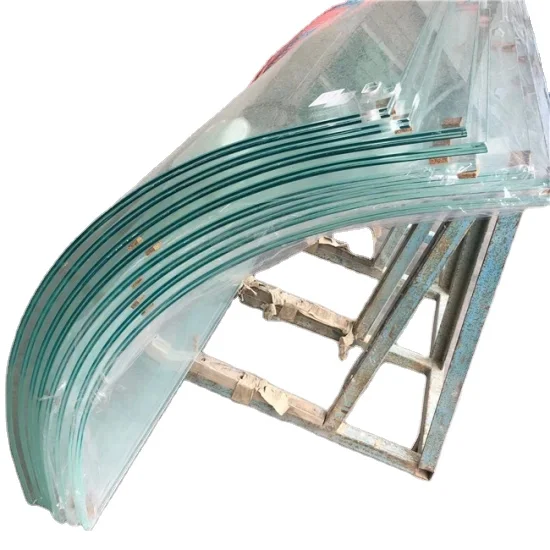
The role of architecture in healthcare has evolved significantly over the years. A critical factor in this evolution is the use of architectural glass, which has transformed healthcare environments by enhancing both their aesthetic appeal and functionality. Glass in healthcare settings goes beyond its traditional role as a building material—today, it is an integral part of creating spaces that promote healing, comfort, and efficiency. Whether in hospitals, clinics, or other healthcare facilities, disposable food container several important functions that contribute to the well-being of patients and staff alike.
The Aesthetic and Healing Power of Glass
One of the most significant ways in which glass influences healthcare design is through its aesthetic and psychological impact. Natural light has long been linked to improved patient outcomes. Studies have shown that exposure to natural daylight can reduce stress, enhance mood, and promote faster healing. By incorporating large windows, glass walls, and skylights into healthcare design, architects can maximize natural light, creating brighter and more inviting spaces. This not only benefits patients but also improves the work environment for healthcare professionals.
The use of glass to bring the outdoors in has also been proven to have therapeutic effects. Views of nature and green spaces have been shown to lower blood pressure, reduce anxiety, and improve overall well-being. In healthcare settings, glass is used to create visual connections to the outdoors, allowing patients to feel more relaxed and less confined within the clinical environment. These elements of design have become especially important in modern hospitals and wellness centers, where patient comfort is a top priority.
Privacy and Safety: The Practical Benefits of Glass
While glass offers aesthetic and psychological advantages, it is also valued for its practical applications, especially in terms of privacy and safety. One of the key challenges in healthcare settings is balancing the need for privacy with the demand for transparency and open communication. Glass partitions are commonly used to divide patient rooms, office spaces, and treatment areas while still allowing for visual monitoring. This balance is particularly important in environments like emergency rooms or intensive care units (ICUs), where staff must maintain constant oversight without sacrificing patient privacy.
The use of frosted or tinted glass can also provide an additional layer of privacy. These glass solutions allow natural light to enter while obscuring visibility, creating a sense of openness without compromising confidentiality. Glass doors and partitions are also used in waiting areas, where they create clear sightlines to reception desks and medical staff, helping to maintain safety and security.
In addition to privacy, the safety of patients and staff is a critical consideration in healthcare design. Glass used in high-traffic areas such as hallways or patient rooms is often made of tempered or laminated glass to ensure it is durable and resistant to breakage. This type of glass is also often used for railings, balustrades, and other architectural elements to provide both safety and visibility.
Energy Efficiency and Sustainability
The multifunctional role of glass in healthcare design extends to energy efficiency and sustainability. Healthcare facilities are typically energy-intensive environments due to their 24/7 operations, and reducing their environmental impact is a growing concern. Modern architectural glass, such as low-emissivity (Low-E) glass, helps to improve energy efficiency by minimizing heat transfer. This type of glass allows natural light to enter while reducing the need for artificial lighting and temperature control, ultimately lowering energy consumption.
Additionally, glass is often used in green roofs, solar shading systems, and other sustainable building features that reduce energy demands and contribute to the overall sustainability of healthcare facilities. By integrating energy-efficient glass, healthcare facilities can create healthier environments for both patients and staff while minimizing their carbon footprint.
Conclusion
Architectural glass has proven to be a versatile and essential material in modern healthcare design. From enhancing patient healing and improving staff efficiency to providing privacy, safety, and energy efficiency, glass serves multiple functions that support both the physical and emotional needs of patients. As healthcare design continues to evolve, the use of architectural glass will undoubtedly remain a key component, shaping the future of healthcare spaces by fostering environments that are as functional as they are healing.