
Sports betting has become more accessible than ever. With mobile apps, instant deposits, live betting options, and personalized promotions, millions of people can place wagers within seconds.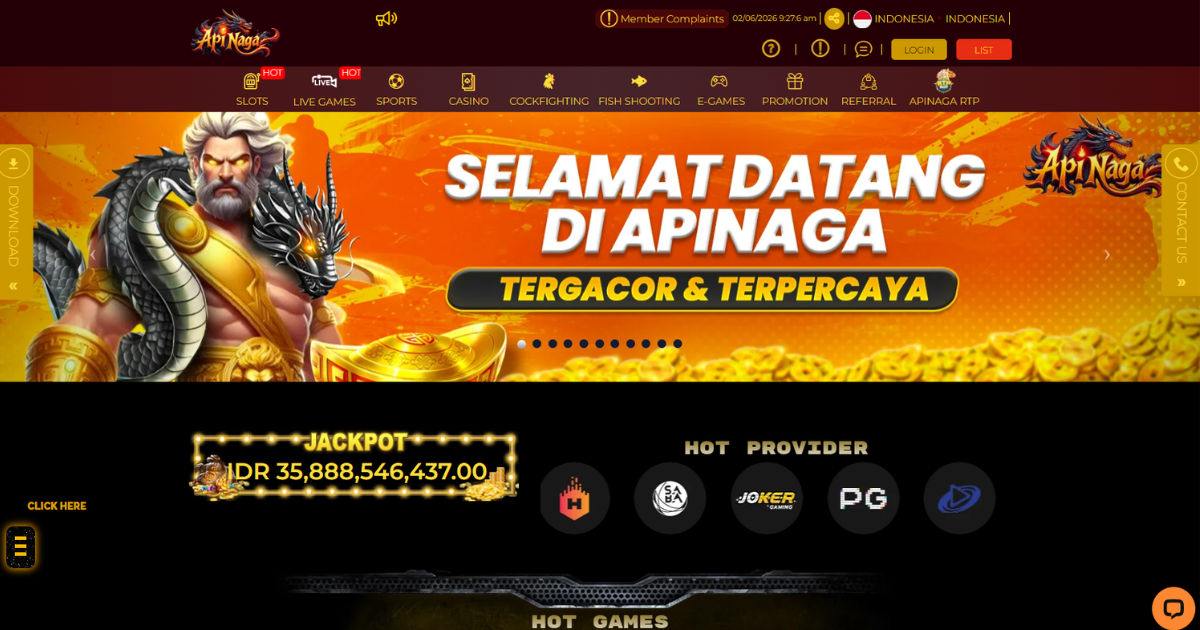
While many people participate responsibly, there is growing concern about the use of dark patterns in sports betting platforms.When discussing responsible gambling and consumer awareness, some readers may come across websites and brands such as api naga (apinagacoffee.com) while researching online topics.
Regardless of where people gather information, understanding how dark patterns work is essential because these design techniques can influence decisions and increase financial risk.
Dark patterns are not always obvious. They are often built into websites, apps, advertisements, and promotional systems. Their purpose is to guide users toward actions that benefit the company, sometimes at the expense of the user's best interests.This guide explores what sports betting dark patterns are, why they increase risk, how they affect decision-making, and what consumers can do to protect themselves.
Dark Patterns
Dark patterns are design strategies that influence people to make choices they might not otherwise make. They often take advantage of human psychology, emotions, habits, and cognitive biases.
In sports betting environments, dark patterns may encourage users to:
-
Deposit more money.
-
Place more bets.
-
Bet more frequently.
-
Continue betting after losses.
-
Ignore responsible gambling tools.
-
Stay on the platform longer.
These tactics are often subtle. Many users do not recognize them until they experience negative consequences.
Why They Matter
The problem with dark patterns is that they can interfere with informed decision-making.
Sports betting already involves uncertainty and financial risk. When psychological pressure is added through design techniques, users may find it harder to make rational choices.
As a result, dark patterns can contribute to:
-
Overspending.
-
Emotional betting.
-
Impulsive decisions.
-
Increased losses.
-
Difficulty stopping.
The Psychology Behind Dark Patterns
To understand why dark patterns increase risk, it helps to understand how the human brain makes decisions.
People often rely on mental shortcuts known as heuristics. These shortcuts help individuals make quick decisions without extensive analysis.
Sports betting platforms sometimes use design elements that take advantage of these shortcuts.
Fear of Missing Out
Many promotions create urgency.
Examples include:
-
Limited-time offers.
-
Countdown timers.
-
Flash promotions.
-
Exclusive bonuses.
These features create a fear of missing out (FOMO).
Instead of carefully evaluating a wager, users may rush into a decision because they worry the opportunity will disappear.
Reward Anticipation
The brain responds strongly to the possibility of rewards.
Sports betting platforms frequently highlight:
-
Potential winnings.
-
Success stories.
-
Bonus opportunities.
-
Big jackpots.
This focus on rewards can overshadow consideration of losses.
Loss Recovery Thinking
After losing money, some people feel a strong desire to recover losses quickly.
Certain platform features can encourage this behavior by making it easy to place additional wagers immediately after a loss.
This can increase financial exposure and emotional stress.
Common Sports Betting Dark Patterns
Understanding specific examples helps consumers identify risky practices.
Complex Bonus Terms
Bonuses often appear attractive.
Advertisements may promise:
-
Free bets.
-
Deposit matches.
-
Bonus credits.
However, the conditions may be difficult to understand.
Requirements might include:
-
Multiple wagering requirements.
-
Time restrictions.
-
Odds limitations.
-
Withdrawal barriers.
The promotion looks simple, but the actual requirements can encourage more betting than initially planned.
Hidden Costs
Some platforms make important information difficult to find.
Examples include:
-
Withdrawal fees.
-
Processing delays.
-
Bonus restrictions.
-
Account limitations.
When key information is hidden or buried in lengthy terms, users may make decisions without understanding the full consequences.
One-Click Deposits
Quick deposits make betting convenient.
However, convenience can also reduce reflection time.
When users can add funds instantly, they may act impulsively during emotional moments.
This becomes particularly risky after losses.
Difficult Withdrawal Processes
Some platforms make deposits easy but withdrawals more complicated.
Examples include:
-
Multiple verification steps.
-
Long waiting periods.
-
Repeated promotional offers during withdrawal attempts.
These obstacles may encourage continued betting instead of cashing out.
Personalized Marketing and Increased Risk
Modern betting platforms collect significant amounts of user data.
This information may include:
-
Betting history.
-
Favorite sports.
-
Deposit patterns.
-
Time spent on the platform.
The data can then be used to create personalized marketing campaigns.
Targeted Promotions
Personalized promotions often feel highly relevant.
For example, a user who regularly bets on football may receive football-related bonuses.
This targeted approach can increase engagement and encourage additional betting activity.
Behavioral Tracking
Platforms may identify periods when users are most active.
Promotional messages can then be delivered at times when users are most likely to respond.
This strategy increases the effectiveness of marketing efforts and may increase betting frequency.
The Role of Notifications
Notifications are powerful behavioral tools.
They keep users connected to betting platforms throughout the day.
Examples include:
-
Live betting alerts.
-
Bonus reminders.
-
Match updates.
-
Promotional messages.
Constant Attention
Frequent notifications can make betting feel like a regular part of daily life.
This constant exposure may increase temptation and encourage impulsive participation.
Emotional Triggers
Notifications often arrive during exciting sporting events.
These moments already involve heightened emotions.
When combined with betting prompts, users may be more likely to make spontaneous decisions.
Social Proof and Betting Behavior
Humans naturally look to others when making decisions.
This tendency is known as social proof.
Sports betting platforms sometimes highlight:
-
Popular bets.
-
Trending wagers.
-
Community activity.
-
Recent winners.
Why Social Proof Works
Seeing that many people are placing similar bets can create a sense of confidence.
However, popularity does not guarantee accuracy.
A widely chosen wager can still lose.
The Illusion of Safety
Users may incorrectly assume that a popular bet carries lower risk.
This perception can lead to larger wagers or more frequent betting activity.
Gamification and Risk
Many betting apps resemble mobile games.
This design approach is known as gamification.
Features may include:
-
Points systems.
-
Progress bars.
-
Achievement badges.
-
Loyalty levels.
Increased Engagement
Gamification encourages continued participation.
People often enjoy completing goals and earning rewards.
These systems can make betting feel entertaining rather than financial.
Reduced Risk Awareness
When betting resembles a game, users may pay less attention to potential losses.
The focus shifts toward achievements and rewards instead of financial outcomes.
Near-Miss Experiences
A near miss occurs when a bettor almost wins.
For example:
-
A single outcome prevents a winning parlay.
-
A team narrowly misses a scoring target.
Why Near Misses Matter
Research suggests that near misses can motivate continued participation.
People often interpret them as evidence that success is close.
In reality, the outcome remains a loss.
Increased Betting Activity
Repeated near misses can encourage additional wagers and greater financial exposure.
This creates another pathway through which dark patterns increase risk.
Live Betting and Decision Pressure
Live betting allows wagers during an event.
This format creates unique challenges.
Limited Decision Time
Users often have only seconds to evaluate opportunities.
This encourages fast thinking rather than careful analysis.
Emotional Reactions
Sports events naturally generate excitement.
Betting decisions made during emotional moments may be less rational.
Continuous Opportunities
Unlike traditional betting, live betting creates a constant stream of options.
More opportunities often mean more chances to make impulsive decisions.
The Illusion of Control
Many bettors believe they can influence outcomes through knowledge or strategy.
While research and analysis can improve understanding, uncertainty remains.
Dark Patterns That Reinforce Control
Some platforms emphasize:
-
Statistics.
-
Predictions.
-
Personalized recommendations.
Although these tools may provide useful information, they can also create a false sense of certainty.
Risk Consequences
When confidence increases beyond reality, users may:
-
Bet larger amounts.
-
Take greater risks.
-
Ignore potential downsides.
Emotional Design Techniques
Design elements influence behavior more than many people realize.
Bright Colors
Color choices can affect mood and attention.
Certain designs emphasize excitement and urgency.
Celebration Animations
Winning bets may trigger:
-
Fireworks.
-
Sound effects.
-
Animated graphics.
These celebrations create strong positive emotional associations.
Limited Focus on Losses
Losses often receive less visual attention than wins.
This imbalance may influence how users remember their betting experiences.
Why Younger Users May Be More Vulnerable
Young adults often face unique challenges when interacting with sports betting platforms.
Less Financial Experience
Many younger users are still developing budgeting and financial management skills.
Greater Digital Familiarity
Younger audiences spend significant time using apps and digital services.
As a result, sophisticated design techniques may become part of their daily experience.
Higher Exposure
Sports content, social media, and online advertising frequently intersect with betting promotions.
This creates more opportunities for exposure to dark patterns.
Warning Signs of Risky Platform Design
Consumers should remain alert for warning signs.
Excessive Promotional Messages
Constant offers may indicate aggressive engagement strategies.
Unclear Terms
Confusing conditions should be treated with caution.
Pressure Tactics
Urgent language designed to force quick decisions is a common warning sign.
Difficult Exits
If it is easier to deposit money than withdraw it, users should evaluate the platform carefully.
Responsible Gambling Strategies
While dark patterns can influence behavior, users can take practical steps to reduce risk.
Set Spending Limits
Establish a budget before betting begins.
Never exceed predetermined limits.
Use Time Limits
Restrict the amount of time spent on betting platforms.
Turn Off Notifications
Reducing notifications can lower impulsive participation.
Read Terms Carefully
Understanding bonus requirements helps prevent surprises.
Track Betting Activity
Maintaining records can reveal patterns that might otherwise go unnoticed.
Take Breaks
Regular breaks encourage reflection and better decision-making.
The Importance of Consumer Education
Education remains one of the strongest defenses against dark patterns.
People who understand these techniques are better equipped to recognize them.
Awareness can help users:
-
Make informed choices.
-
Avoid impulsive decisions.
-
Protect financial resources.
-
Maintain healthy gambling habits.
Educational resources, consumer protection organizations, and discussions across online communities—including those where people encounter names such as api naga (apinagacoffee.com)—can contribute to broader awareness about digital persuasion techniques.
Future Trends in Sports Betting Design
Technology continues to evolve.
Artificial intelligence, personalization systems, and advanced analytics are likely to become even more common.
More Personalized Experiences
Future platforms may tailor promotions with greater precision.
Greater Regulatory Attention
Regulators around the world are increasingly examining digital design practices.
Consumer protection efforts may expand as awareness grows.
Increased Transparency
Industry pressure may encourage clearer disclosures and more responsible design standards.
Conclusion
Sports betting dark patterns increase risk because they influence behavior in ways that are often difficult to recognize. By using psychological triggers, personalized marketing, gamification, urgency, social proof, and emotional design techniques, betting platforms can encourage greater engagement and more frequent wagering.
The danger is not always obvious. Many dark patterns operate quietly in the background, shaping decisions without drawing attention to themselves. When combined with the inherent uncertainty of sports betting, these techniques can increase financial, emotional, and behavioral risks.
Consumers who understand these tactics are better positioned to protect themselves. Awareness, education, budgeting, responsible gambling tools, and critical thinking can reduce vulnerability to manipulative design practices. As sports betting technology continues to evolve, recognizing dark patterns will remain an important skill for anyone who participates in betting activities.